Shandong Luyue Electric Co., Ltd.。


The Role of Magnetic Separators in Bulk Material Processing Lines
The Role of Magnetic Separators in Bulk Material Processing Lines
In bulk material processing lines, raw materials are often transported by conveyor belts before crushing, grinding, screening or further production. During this process, iron impurities may be mixed with coal, ore, stone, cement raw materials, chemical materials or other bulk materials. If these metal impurities are not removed in time, they may damage downstream equipment and affect production stability.
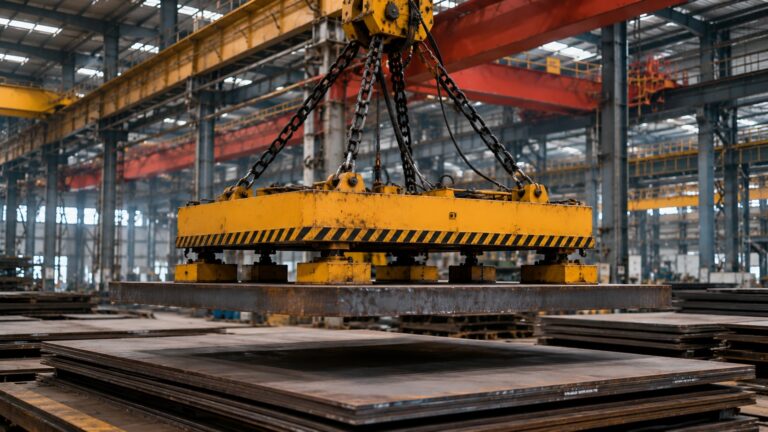
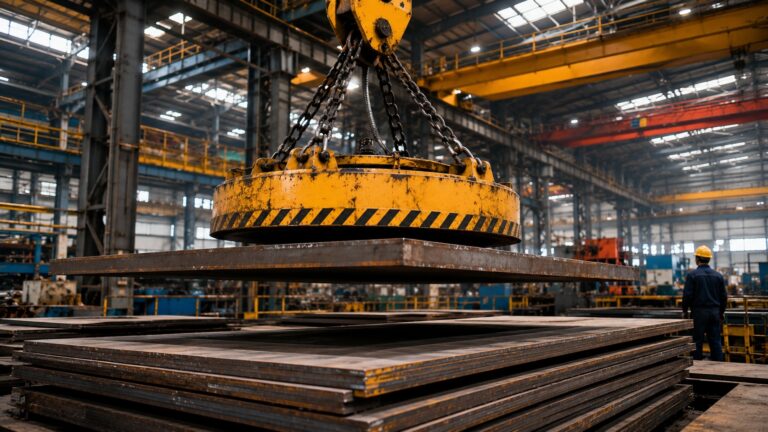
Magnetic separators are designed to remove magnetic metal impurities from conveyed materials. According to the product catalog of Shandong Luyue Electrical Co., Ltd., magnetic separator products include electromagnetic separators, permanent magnetic separators, self-discharging electromagnetic separators and supporting magnetic separation equipment for different industrial applications.
Common Application Industries
- Mining and mineral processing
- Metallurgical production lines
- Power plant material conveying systems
- Cement and building material production
- Chemical industry material handling
- Coal and bulk material transportation
Why Magnetic Separators Are Important
Iron removal is an important step in many material handling systems. Magnetic separators can help remove ferromagnetic impurities before materials enter crushers, mills or other processing equipment. This helps reduce the risk of equipment damage and supports continuous production.
For conveyor-based production lines, magnetic separators are usually installed above the belt or at suitable material transfer points. The selection and installation position should be confirmed according to the material condition, belt width, conveying speed, iron impurity level and site layout.
Typical Magnetic Separator Types
- Electromagnetic Separator: Uses electromagnetic force to remove iron impurities from conveyed materials.
- Permanent Magnetic Separator: Uses permanent magnetic material for iron removal without continuous excitation power.
- Self-Discharging Magnetic Separator: Suitable for production lines that require automatic discharge of attracted iron materials.
- Suspended Magnetic Separator: Commonly installed above conveyor belts for continuous material handling applications.
- Supporting Roller Equipment: Used as auxiliary equipment in conveyor-based magnetic separation systems.
Key Points for Model Selection
- Material Type: Different materials may require different magnetic field strength and separator structure.
- Conveyor Belt Width: The separator size should match the belt width and material coverage.
- Material Layer Thickness: Thick material layers may require stronger magnetic performance.
- Iron Impurity Condition: The size, amount and distribution of iron impurities affect model selection.
- Installation Space: The separator should match the available installation position and site structure.
- Discharge Method: Manual cleaning or self-discharging type can be selected according to production needs.
Supporting Stable Industrial Production
Magnetic separators are widely used in bulk material production lines because they provide a practical solution for iron impurity removal. Proper selection can help protect production equipment, improve material cleanliness and reduce maintenance pressure in continuous operation environments.
For different working conditions, users should confirm material characteristics, conveyor parameters and iron removal requirements before choosing a suitable magnetic separator. A complete solution should be selected according to the actual production line layout.
Note: This article is based on visible product categories and application information from the catalog. Detailed model selection and technical parameters should be confirmed according to actual working conditions.